
Cinnamon Clove: The Story Behind the Flavor
September 2, 2025 · Updated November 8, 2026 · Hayden Dudley

Cinnamon Clove is our boldest flavor. Here is where the two spices come from and why they have been paired for so long.
Cinnamon
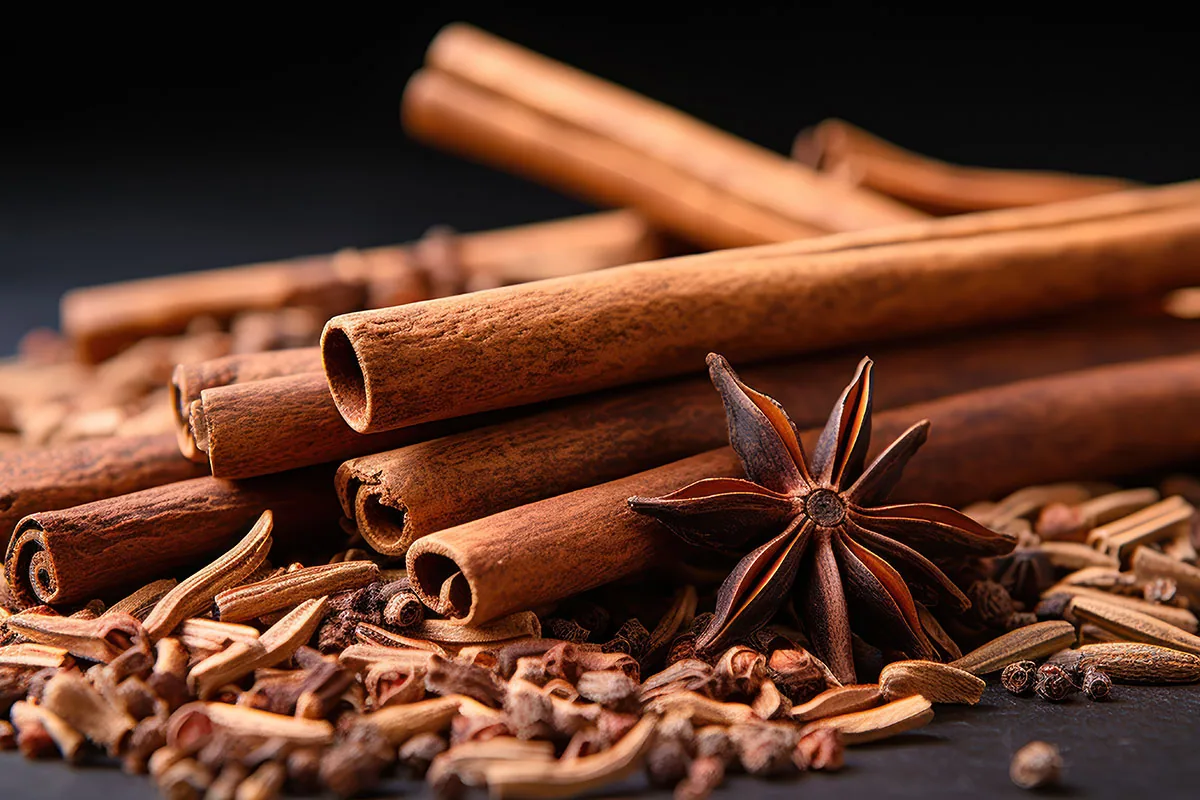
Cinnamon is the inner bark of a tree. The bark is cut, dried and curls into the sticks you know. True cinnamon comes from Sri Lanka. Cassia, a close relative with a stronger, hotter flavor, comes from China and Indonesia and is what most of the world calls cinnamon. The heat comes from a compound called cinnamaldehyde, the same thing that makes red-hot candies burn.

Clove
Cloves are the dried flower buds of a tree native to a few small islands in Indonesia. For centuries they grew nowhere else, and traders guarded the secret. Clove is intense, sweet and a little numbing, from a compound called eugenol. It is the flavor in pumpkin spice, in ham glaze and in many chewing gums.
Why they work together
Both are warm spices, but cinnamon is sharp and clove is deep. Cinnamon gives the heat and clove gives the sweetness and the lingering finish. The pair shows up in baking, in mulled wine and in chai because together they taste like one rounded flavor instead of two.
What the pick tastes like
Warm cinnamon with a spicy bite, then clove on the finish. It is like a red-hot candy without the sugar. If you like spice, this is your flavor. The flavor is strongest at the start and settles as you go. Flip to the fresh end when it fades.
What is in it
American white birch, 5 mg of pure nicotine, certified organic cinnamon and clove flavors, organic monk fruit and vegetable glycerin. No sugar, no sucralose, nothing artificial. It is sugar-free with zero calories.
A reminder
Nicotine is an addictive chemical. Stokes picks are for adults 21 and over who already use nicotine. If you are new to nicotine, start with one pick and wait before taking another.
WARNING: This product contains nicotine. Nicotine is an addictive chemical. For adults 21+ only. Stokes does not diagnose, treat, cure, or prevent any disease.